



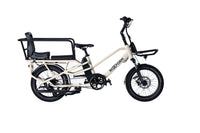
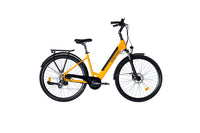
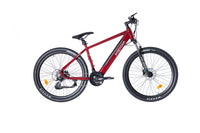
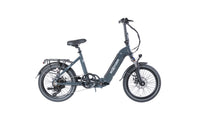

By late November most British commutes happen in the dark at one end and often both. Winter e-bike commuting is not really about toughness; it is about four things going wrong at once — no daylight, standing water, salted roads and a cold battery — and about which bits of kit actually fix them. Most of what gets sold as winter cycling gear does not.
Lights: what the law actually requires
This is the one part that is not a matter of preference. The Highway Code is explicit: at night your cycle must have white front and red rear lights lit. It must also be fitted with a red rear reflector, and amber pedal reflectors if the bike was manufactured after 1 October 1985. Those are legal requirements, not suggestions.
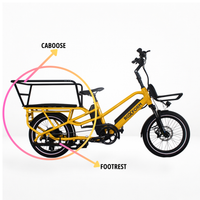
Two details people get wrong. Flashing lights are permitted, but if you ride anywhere without street lighting the Highway Code recommends a steady front lamp — a flashing beam is poor at showing you the potholes. And a built-in front light, like the one fitted to the Stride S Plus, does not cover you on its own: you still need a red rear light and the reflectors.
Buy the rear light with the same care as the front. Being seen from behind on an unlit road is the part that matters most, and a rear light is the cheapest safety equipment you will ever own.
Being seen in the other sixteen hours
Lights are for darkness. British winter days are mostly not dark, they are grey, and that is a different problem. The Highway Code separates the two: light-coloured or fluorescent clothing helps in daylight and poor light, while reflective clothing and accessories help in the dark. Fluorescent does nothing at night; reflective does nothing in daylight. If you ride at both ends of the day you want a garment that does both.
The HUMP Men's Reflect waterproof jacket we stock is £49.99 and does both jobs: a bright hi-viz yellow body with reflective inserts, fully taped seams, a DWR finish and a 5k waterproof and 5k breathability rating. It packs into its own pocket, which matters more than it sounds, because a jacket left at home is not waterproof.
The Lazer Compact helmet is £29.99, uni-size 54 to 61 cm and 325 g, and comes in Flash Yellow and Flash Orange as well as plain colours. An optional LED rear light is available for it separately.
One thing worth more than a brighter jacket: reflective ankle bands. A moving light at pedal height reads as a cyclist to a driver far faster than a static patch of reflective fabric on your back. It is the cheapest upgrade on this page.
Winter e-bike commuting: what to buy first
If you are starting from nothing, buy in this order. Each item earns its place before the next one is worth having.
| Order | Item | Why it comes here |
|---|---|---|
| 1 | Front and rear lights, plus reflectors | Legally required after dark. Nothing else on this list is a legal requirement. |
| 2 | Full mudguards | Stops the stripe of cold water up your back and the grit spray into your drivetrain. Fixes more discomfort per pound than any jacket. |
| 3 | Waterproof jacket, fluorescent | Rain and daylight visibility in one garment. |
| 4 | Full-finger gloves | Cold hands lose brake feel before the rest of you notices the cold. |
| 5 | Reflective ankle bands | Movement at pedal height is what drivers actually register. |
| 6 | Overshoes | Wet feet are miserable but not dangerous. Last, not first. |
Here is the honest part. No jacket keeps you dry on a long wet ride. Waterproof fabric keeps rain out and it also keeps your own sweat in, and on an e-bike commute with any climbing in it you will arrive damp from the inside. A 5k breathability rating is a commuting figure, not a mountaineering one, and that is the right trade for a half-hour ride. Dress for five minutes in rather than for the moment you step outside.
The battery in the cold
A cold battery gives you less than a warm one. Plan your winter commute on less range than the bike gave you in July, and charge more often rather than running the pack low in the cold. Our guide to e-bike range covers what else moves that number.
The government's battery safety guidance for e-cycle users is specific about conditions: avoid charging in excessively hot, cold or damp areas, and keep batteries out of direct sunlight when not in use. In practice that means bringing a removable battery indoors, letting it reach room temperature, and charging it then — not plugging in a pack that has just come off a bike in a freezing shed.
Three rules that do not change in winter. Use only the charger supplied with the bike, or a replacement authorised by the manufacturer. Do not charge where a fire would block your way out of the building. And if you suspect the battery is damaged, do not charge or use it — replace it. Our battery safety guide goes through this properly.
Salt is the thing that actually wears the bike out
Gritted roads are harder on a bicycle than rain is. Salt water gets into the chain, the cassette, the brake calipers and every cable end, and it keeps working after you have parked.
You do not need a workshop routine. Rinse the bike with plain water after a salted ride — a watering can is enough, and keep a hose away from the motor, bearings and battery contacts. Dry the chain, then re-lube it with a wet-weather lubricant, which is thicker and stays put. Wipe the brake rotors with a clean cloth. Check your brake pads more often than you would in summer, because wet grit acts like a grinding paste and pads that lasted a year can disappear in a winter.
Keep the battery contacts dry and clean, and if you store the bike outside under a cover, make sure the cover is not trapping moisture against it.
Riding in the wet, and on the days you should not ride
Braking distances go up in the wet, and an e-bike weighing north of 20 kilograms carries more of it into the junction than a light road bike does. Start braking earlier than feels necessary and do most of it before the corner, not in it.
Treat painted road markings, metal covers and wet leaves as ice. Take them upright and without braking. Dropping tyre pressure slightly increases the contact patch and helps, though not as much as riding more gently does.
And the honest advice: black ice is the one condition where the sensible answer is the bus. No tyre sold for a commuter e-bike makes a frozen side street safe. There is no shame in leaving the bike at home for the two or three mornings a year that genuinely warrant it.
Quick answers
Are flashing bike lights legal in the UK?
Yes. The Highway Code permits flashing lights, but recommends a steady front lamp if you are riding in areas without street lighting.
Do I need lights if my e-bike has a built-in front light?
Yes. A built-in front light satisfies the front lamp only. At night you must also have a red rear light lit, a red rear reflector, and amber pedal reflectors on any bike made after 1 October 1985.
Can I leave my e-bike outside in winter?
The bike will cope better than the battery will. Government guidance says to avoid charging in excessively hot, cold or damp areas, so bring a removable battery indoors to warm up before you charge it, and expect more corrosion on a bike that lives outside.
Is hi-viz actually worth it?
In daylight and poor light, yes — that is what fluorescent fabric is for. In the dark it does nothing, which is why reflective detail and lights matter more after sunset. A jacket with both covers a winter commute in each direction.
Will winter damage my e-bike?
Rain will not. Road salt will, if you leave it on. A rinse and a re-lube after gritted rides is most of the maintenance difference between a bike that lasts and one that does not.
What we would actually buy
A legal light set, mudguards, and one jacket that is both waterproof and fluorescent. That is the whole winter kit for most riders. Everything after those three is comfort, and comfort can wait until you know which bits of the commute actually bother you.
The HUMP Reflect jacket at £49.99 is where we would start, and if you are still choosing the bike underneath it, every model we build is on the electric bikes page. If you are within reach of Hove, come and ask us in person.


